
Optimal Timing for Land Clearing
Land clearings involve removing trees, brush, and other obstacles to prepare a site for development or agriculture. The timing of such projects can significantly impact their success and efficiency. Understanding seasonal and weather patterns is essential for scheduling land clearing activities effectively.
Late fall and winter are generally considered ideal for land clearing due to drier ground conditions and lower vegetation density.
Dry weather reduces soil compaction and makes equipment operation easier, minimizing environmental disturbance.
Clearing during dormant seasons limits regrowth and reduces the need for repeated work.
Avoiding periods of heavy rain prevents soil erosion and equipment getting stuck.
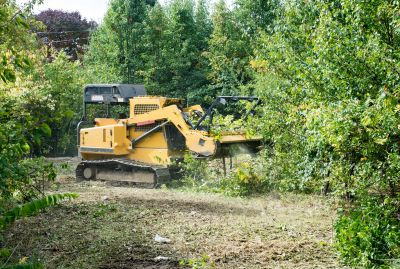
Ways to make Land Clearings work in tight or awkward layouts.
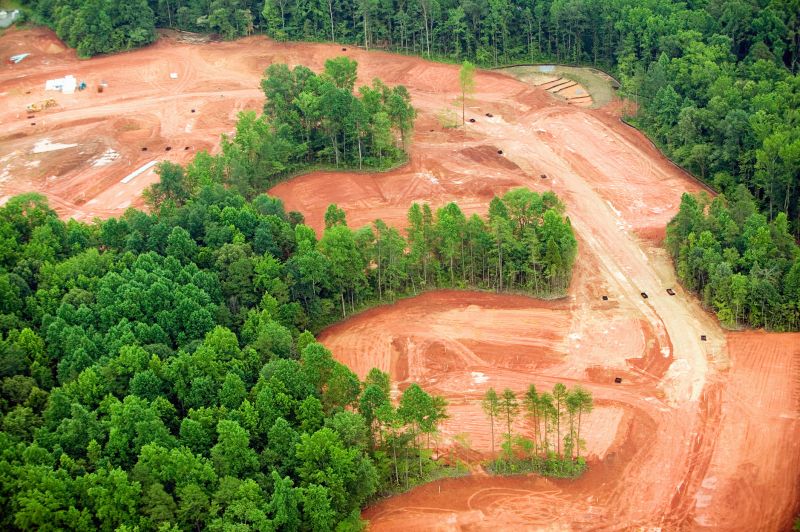
Popular materials for Land Clearings and why they hold up over time.

Simple add-ons that improve Land Clearings without blowing the budget.

High-end options that actually feel worth it for Land Clearings.
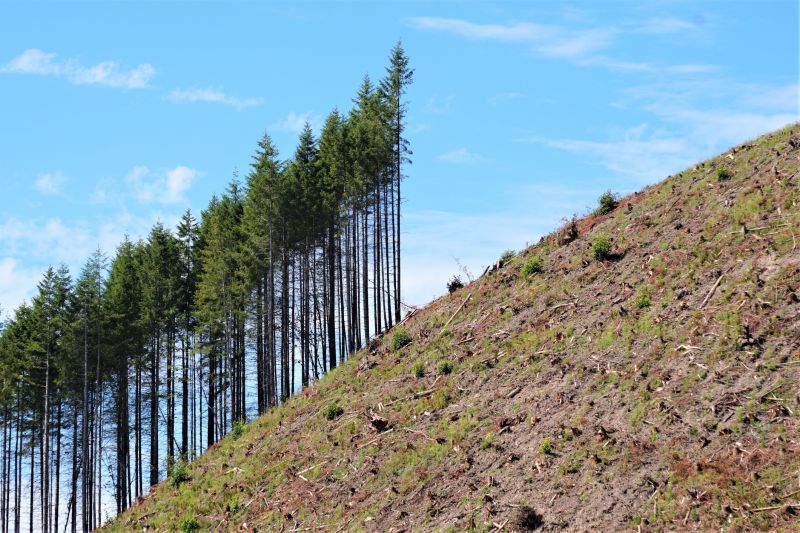
Finishes and colors that play nicely with Land Clearings.
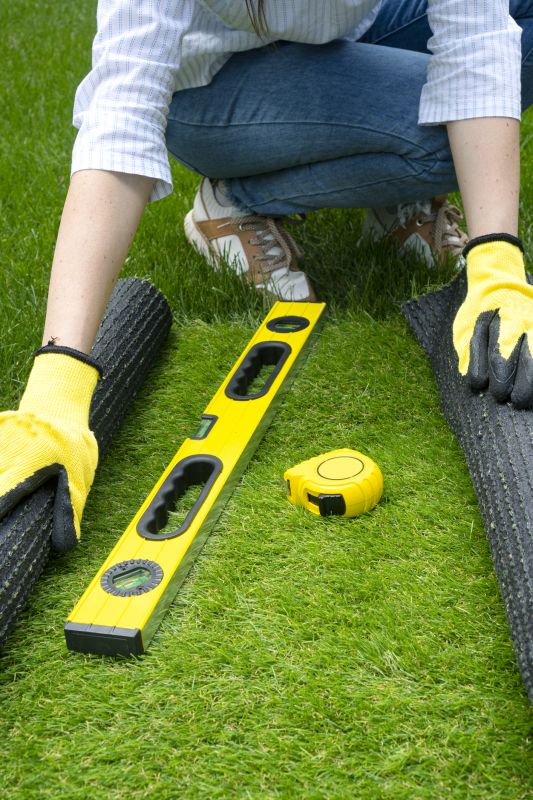
Little measurements that prevent headaches on Land Clearings day.
Effective land clearing requires careful planning to align with seasonal weather patterns and vegetation cycles. Proper timing ensures minimal soil disruption and reduces the need for repeated work, ultimately saving time and resources.
In Carson City, NV, the most suitable periods for land clearing are typically in late fall and winter when ground conditions are optimal. During these times, soil moisture is lower, and vegetation is less dense, making the process more efficient and less disruptive.
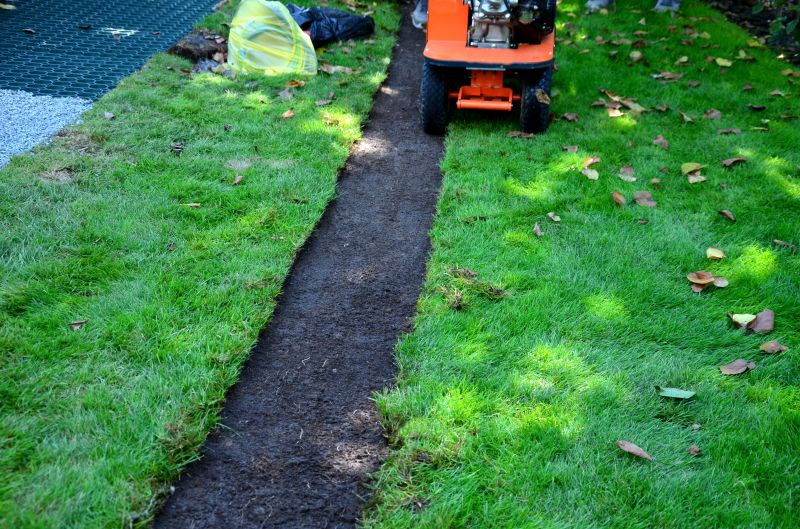
A 60-second routine that keeps Land Clearings looking new.
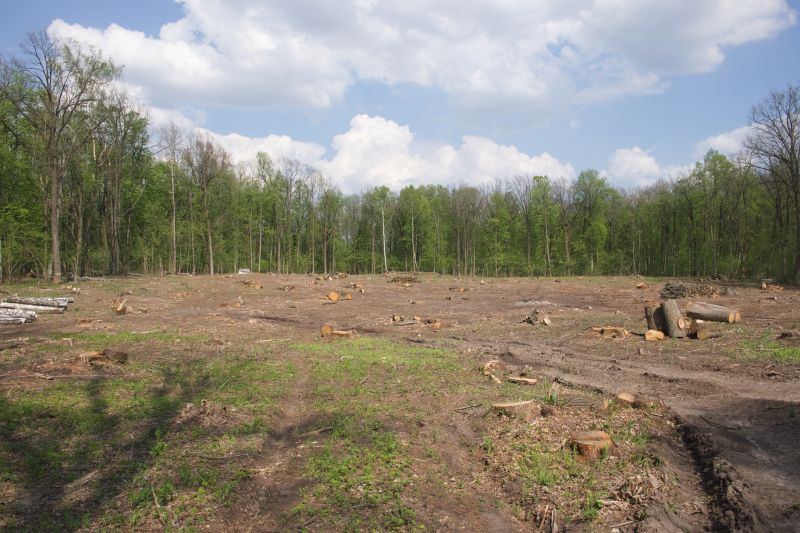
A frequent mistake in Land Clearings and how to dodge it.
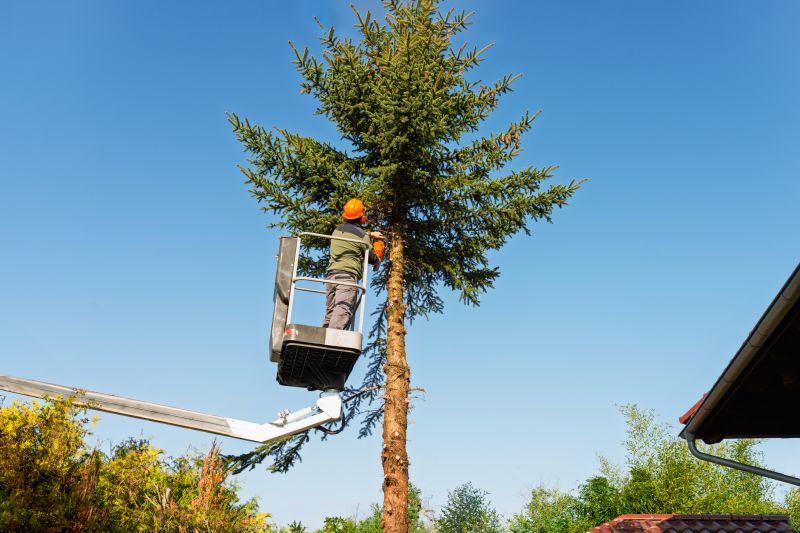
Small tweaks to make Land Clearings safer and easier to use.
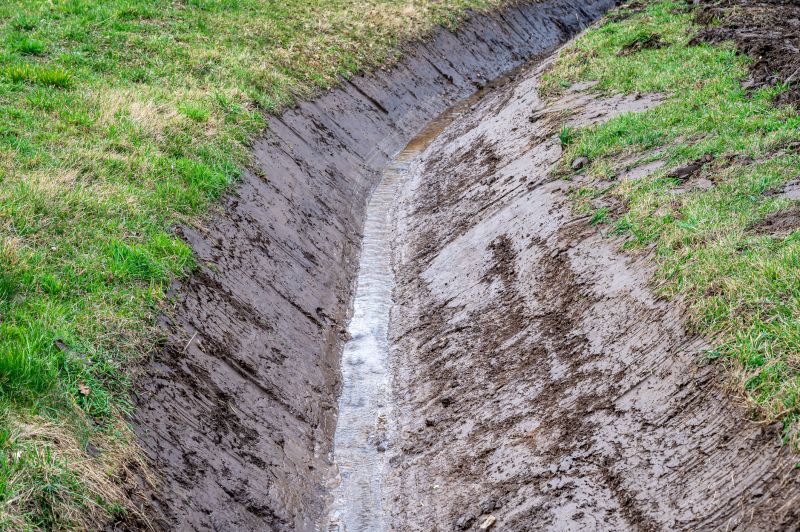
Lower-waste or water-saving choices for Land Clearings.
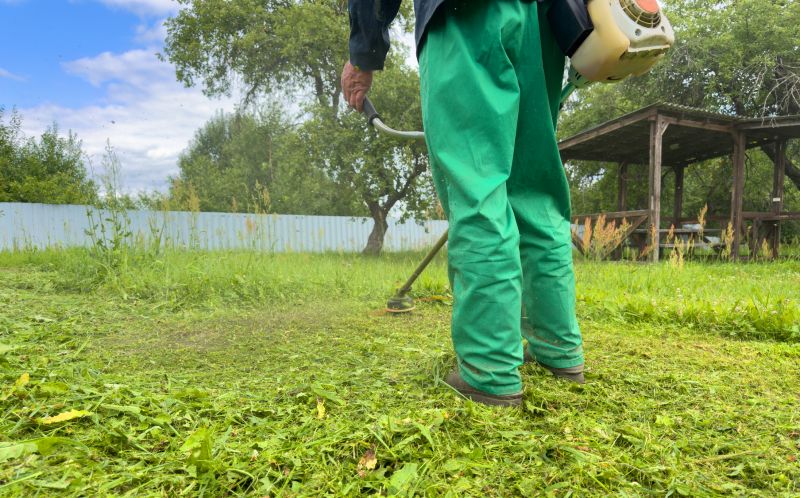
The short, realistic tool list for quality Land Clearings.
| Season | Optimal Conditions |
|---|---|
| Late Fall | Dry ground, dormant vegetation |
| Winter | Lower soil moisture, minimal plant growth |
| Early Spring | Pre-growth period, manageable vegetation |
| Late Spring/Summer | High vegetation density, more difficult |